October 13, 2026
Transforming a backyard into a breathtaking retreat requires a design harmonizing manufactured elements with the surrounding environment. Flagstone stands out as a premier choice for establishing an organic aesthetic that integrates with nature. Each stone boasts unique contours and earthly hues that tell a geological story, bringing timelessness to exterior spaces. By sourcing premium landscaping materials, you can create functional outdoor areas that feel like extensions of the natural landscape. Incorporating these natural stones provides an unparalleled foundation for lasting beauty, evoking a rustic mountain lodge or serene woodland cottage.
Selecting Stones and Layouts
The foundation of any successful hardscape project begins long before the first rock is placed. Embarking on a journey of selecting stones and layouts requires understanding how foot traffic flows, where water drains, and how the sun moves across the yard. Designers use these factors to envision a framework that looks appealing and functions well. This phase establishes the overall footprint, ensuring elements withstand harsh weather while providing a stable, inviting surface for family and guests to enjoy.
Once the vision is established, focus narrows to spatial organization and product selection. Sourcing the right landscaping materials is essential, as the density and slip-resistance of the flagstone must align with project demands. Homeowners should opt for larger slabs in expansive areas, while utilizing smaller pieces to navigate tight curves. According to The Spruce, when constructing patio flooring or stepping stones, you should choose flagstones that measure at least one and a half inches in thickness for optimal stability. A drafted blueprint dictating exact placement, joint spacing, and base preparation prevents shifting, guaranteeing that the stone surface remains level.
Building Walkways and Borders
Establishing clear pathways and perimeters is an essential component of organizing an outdoor environment, as these elements guide movement and create distinct zones. The process of building walkways and borders serves a practical purpose, directing visitors safely through the property while delineating where a manicured lawn ends and a wilder garden begins. Flagstone is suited for this task because its organic shapes can be laid in a meandering fashion mimicking paths worn into forest floors or meadowlands. Establishing these routes cultivates a sense of exploration, encouraging guests to wander while keeping sensitive plant life protected.
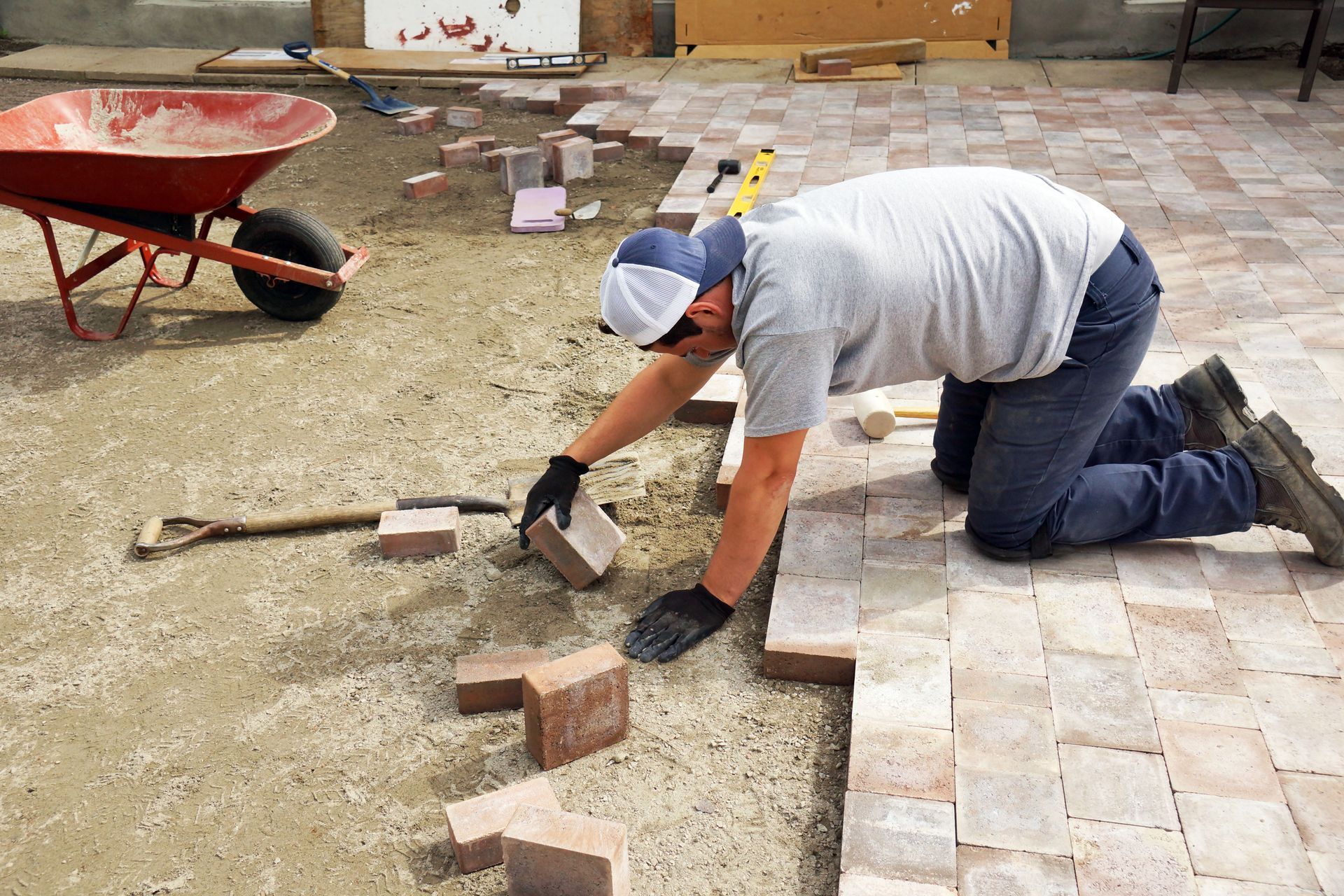
Delving into physical construction, establishing a durable path requires precise excavation, proper grading, and a compacted base layer to ensure longevity. When utilizing premium landscaping materials for these pathways, installers puzzle together irregular flagstone pieces, maintaining consistent joint widths filled with polymeric sand or moss. Border stones should be slightly thicker to create a structural lip, preventing mulch or gravel from washing onto the walking surface during heavy rainstorms. This approach fortifies the structural integrity of the hardscape and frames adjacent vegetation, delivering a crisp, clean aesthetic.
Designing Patios and Pathways
At the heart of most outdoor living areas is a central gathering space connected by accessible routes. Approaching the task of designing patios and pathways demands a harmonious balance between open areas for seating and the transitional corridors linking them to the home. Flagstone offers an incredible advantage here because broad surfaces provide a comfortable foundation for dining tables and fire pits, while natural variations prevent the space from feeling commercial. By focusing on how people congregate and move, architects create interconnected hardscapes that feel intuitive, encouraging seamless transitions to the outdoors.
Executing this vision requires rigorous attention to sub-base preparation and the specific installation techniques for large-scale gathering areas. Incorporating high-quality landscaping materials ensures underlying layers of crushed gravel and bedding sand are compacted, preventing heavy flagstone slabs from heaving during seasonal weather changes. When laying out the patio area, installers reserve the largest stones for the center where furniture rests, shaping perimeter stones to create a customized edge. Integrating subtle slopes for proper water runoff delivers a functional, enduring entertainment space anchoring the entire backyard.
Mixing Textures and Contrasts
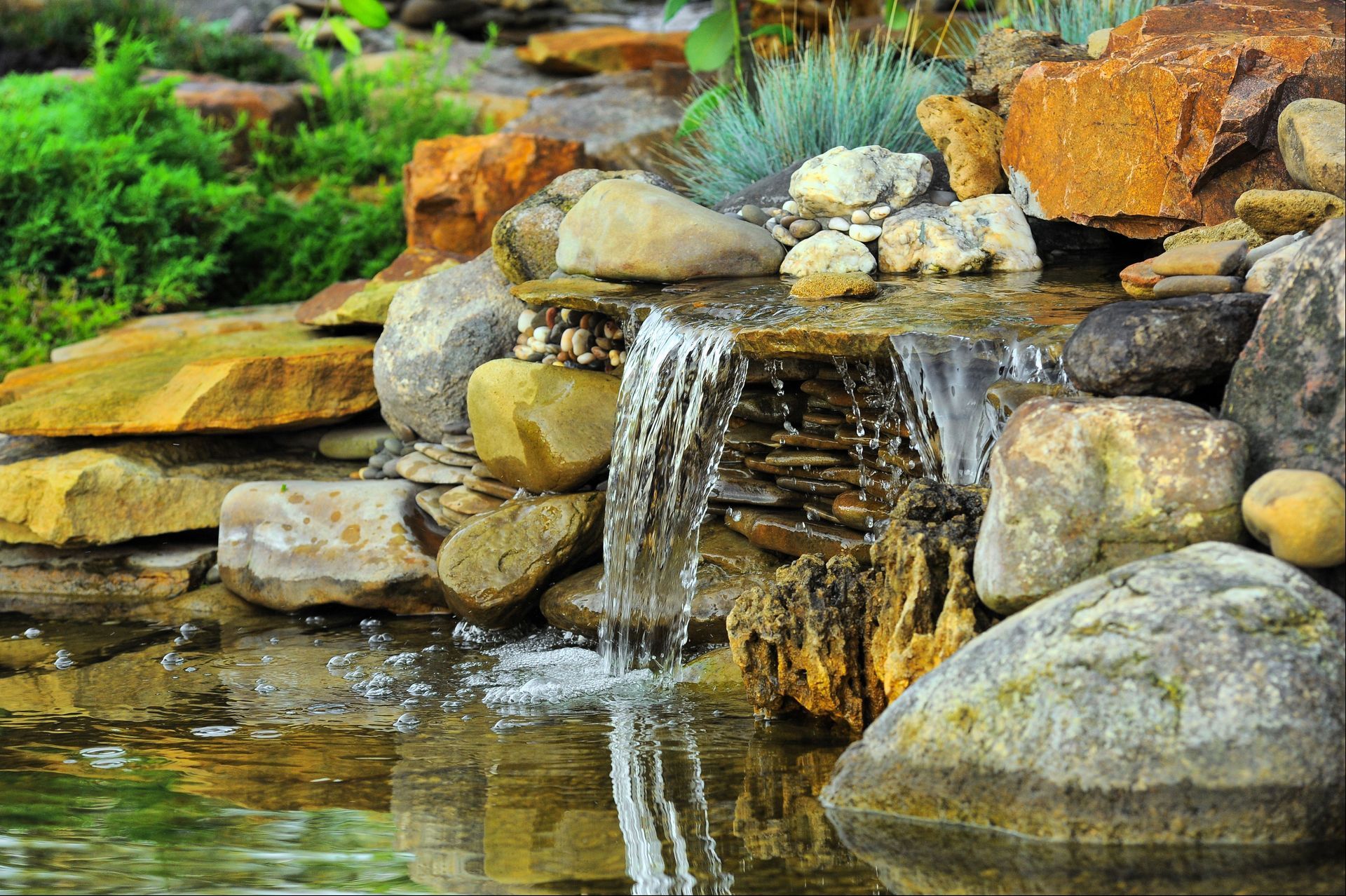
Visual intrigue in an outdoor environment relies on the interplay between different tactile surfaces and opposing elements. The art of mixing textures and contrasts allows designers to highlight unique characteristics of natural stone by juxtaposing it against softer elements found in the surrounding landscape. Flagstone, with its natural cleft surface, rugged edges, and varying degrees of smoothness, provides a sensory experience contrasting with the uniform sleekness of modern architectural siding. Pairing the rigid, heavy nature of the rock with delicate ornamental grasses or a water pond balances the ecosystem.
To achieve this sophisticated aesthetic on a practical level, one must combine different varieties of hard goods and soft goods to maximize visual impact. When selecting the right landscaping materials, integrating smooth decorative rocks or polished cobbles into the joints between textured flagstone slabs creates a stunning micro-contrast highlighting the irregular geometry of each piece. Pairing the cool surface of a natural stone retaining wall with lush groundcovers amplifies the depth of the space. This deliberate layering of coarse and fine elements transforms a basic backyard installation into a masterful, multi-dimensional retreat.
Choosing Colors and Features
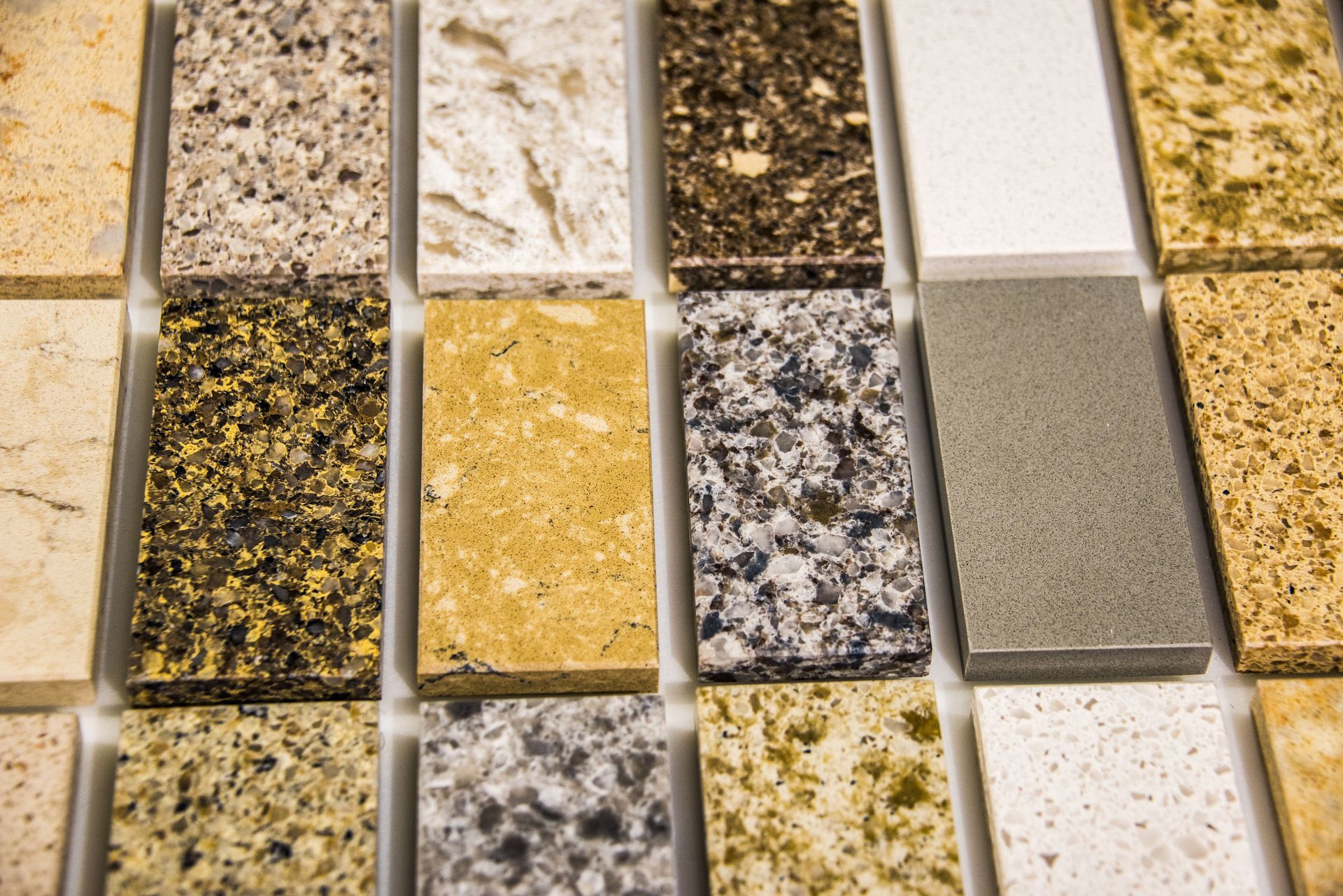
The chromatic palette of an outdoor living space dictates its overall mood, making the selection of hues an impactful decision in the design process. The practice of choosing colors and features involves evaluating existing tones of the home exterior, surrounding foliage, and natural lighting. Flagstone is versatile in this regard, occurring in a stunning spectrum of earthy tones, from cool blues and subtle lavenders to warm russets, sandy buffs, and deep browns. Selecting a color family complementing the overarching aesthetic helps homeowners establish a cohesive visual narrative drawing attention to breathtaking vistas.
Applying this color theory in a tangible way requires sourcing specific quarry veins and utilizing targeted outdoor lighting to bring the stones to life. When browsing various landscaping materials, it is beneficial to view flagstone wet and dry, as moisture deepens the colors and reveals hidden striations within the rock. To accentuate these natural variations, placing low-voltage patio lighting at the base of a flagstone column casts dramatic shadows emphasizing stone clefts after dusk. This calculated combination of inherent mineral coloration and specialized outdoor lighting ensures the hardscape remains a striking focal point.
Blending Hardscapes and Gardens
The success of any exterior renovation lies in its ability to marry the constructed elements with the living, breathing environment. The goal of blending hardscapes and gardens is to create a symbiotic relationship where stone structures provide a reliable framework, while vegetation breathes life into the space. Flagstone serves as the perfect intermediary in this relationship, as its organic boundaries allow plants to spill over edges, softening the transition between the rigid patio and fertile earth. When executed correctly, this harmonious integration makes it difficult to tell where the wildness of nature begins.
Achieving this integration requires purposeful planting techniques and a strategic approach to transitioning between distinct zones. Incorporating a diverse array of landscaping materials, such as premium topsoil and organic mulch, directly alongside flagstone edges ensures perennial borders and native shrubs have nutrients required to thrive. For an immersive effect, designers leave deliberate voids within a pathway to plant durable, low-growing vegetation, which grows into the hardscape and blurs definitive lines of the structure. Prioritizing deep horticultural integration ensures the final outdoor living space functions as a unified ecosystem rather than a collection of isolated features.
Embracing the organic beauty of flagstone is an effective strategy for cultivating an outdoor living area feeling rooted in its natural surroundings. By paying close attention to spatial planning, structural integrity, textural contrast, and horticultural integration, any backyard can be elevated into an inviting retreat. Whether constructing a winding garden path or a sprawling patio designed for hosting large summer gatherings, the unique geological characteristics of natural stone provide an unmatched foundation. Investing in high-quality landscaping materials and expert craftsmanship ensures your outdoor sanctuary endures the harsh elements while enhancing the charm of your property. We invite you to explore our commercial-grade products and let us supply your next project at Quint City Stone Center.